In short:
- Posture impacts shoulder pain. Poor alignment at your desk places immense strain on your upper back muscles.
- Ergonomics prevent future injury. Proper monitor height and chair support can drastically reduce daily physical stress.
- Daily stretching restores mobility. Consistent movement breaks help to alleviate tightness and improve blood flow.
Many professionals experience shoulder blade discomfort after long hours spent typing at a computer screen. This pain often begins as a dull ache and can eventually disrupt your daily activities. You can take control of your physical health by understanding the root causes and implementing effective solutions.
What is the Anatomy of the Shoulder Blade?
The human body relies on a complex network of bones and muscles to maintain proper upper body function. You must understand how these structures interact to effectively address your pain. A basic knowledge of anatomy helps you visualize the impact of poor posture.
The Function of the Scapula
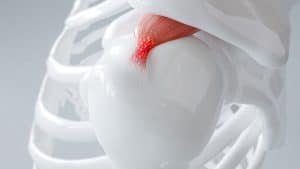
The scapula is the medical term for the bone located on the upper back part of your rib cage. It serves as an essential anchor point for several large muscle groups that control your arms. When this bone is not properly aligned, it places excessive strain on the surrounding tissues.
Muscles Connecting to the Shoulder Blade
Several critical muscles connect directly to your scapula and control its movement. The trapezius and rhomboid muscles are primarily responsible for pulling your shoulder blades together. When you slouch forward at a desk, these muscles become overstretched and incredibly weak.
What Causes Shoulder Blade Discomfort in Desk Workers?
It is very common to feel a dull ache between your shoulder blades after sitting for eight consecutive hours. The human body is not designed to remain in a fixed, seated position for prolonged periods of time. This lack of movement leads to severe stiffness, muscle fatigue, and eventual pain in the upper back region.
Poor Posture and Ergonomics
Slouching forward causes your chest muscles to tighten and your upper back muscles to overstretch. This muscular imbalance places severe stress on the soft tissues surrounding your scapula. Over time, this poor posture creates persistent aches and significantly limits your normal range of motion.
Muscle Tension and Stress
Psychological stress often manifests physically, causing office workers to subconsciously tense their neck and shoulder muscles. This continuous tension can lead to severe muscle fatigue and localized pain in the upper back. Stress management techniques are essential for achieving complete and lasting recovery.
Repetitive Strain Injuries
Typing and using a computer mouse require repetitive movements that can inflame your upper body tendons. Performing the exact same motion thousands of times a day creates microscopic tears in your muscle fibers. Without adequate rest, these tiny injuries compound and result in chronic inflammation.
Are There Medical Conditions Linked to Shoulder Blade Discomfort?
Sometimes, upper back pain is more than just a simple muscle ache caused by a long workday. Several underlying medical conditions can manifest as a sharp or burning pain between your shoulder blades. You should consult a medical professional if your pain becomes severe or radiates down your arms.
Muscle Strains and Sprains
A muscle strain occurs when the fibers in your upper back stretch significantly beyond their normal limits. This often happens if you suddenly reach for heavy items or twist awkwardly in your office chair. Resting the affected area is usually the most effective initial treatment for a mild strain.
Cervical Herniated Discs
The spine in your neck consists of vertebrae separated by soft, shock-absorbing discs. If one of these discs ruptures, it can press against a nerve and send radiating pain down toward your shoulder blade. A physician may order a CT scan or an X-ray to properly diagnose this specific spinal issue.
Osteoarthritis in the Spine
Osteoarthritis is a degenerative joint disease that gradually wears down the protective cartilage in your spine. As this cartilage disappears, the resulting bone friction can cause severe pain and stiffness in the upper back. A dedicated specialist can help you manage these symptoms through targeted physical therapy.
Can Ergonomic Changes Relieve Shoulder Blade Discomfort?
Optimizing your workstation is a crucial step in managing and preventing upper back pain. You do not need expensive equipment to create a supportive and healthy desk environment. A few simple adjustments can properly align your spine and remove excess stress from your shoulders.
Monitor Height and Distance
Your computer monitor should sit directly at eye level to prevent you from tilting your head downward.
- Raise your main screen. Use a sturdy monitor stand or some books to elevate your display.
- Check the viewing distance. Keep the computer screen roughly an arm’s length away from your face.
- Center your primary monitor. Do not twist your neck to view your main work screen.
Keyboard and Mouse Placement
Your arms should rest comfortably at your sides with your elbows bent at a ninety-degree angle.
- Keep tools within reach. Avoid stretching your arms forward to reach the computer keyboard.
- Use a wrist rest. Provide gentle support for your wrists while typing extensively throughout the day.
- Consider an ergonomic mouse. This can reduce awkward twisting in your forearm and shoulder.
Proper Chair Support
A highly supportive chair is the absolute foundation of excellent posture during your busy workday.
- Adjust the seat height. Your feet should always rest completely flat on the office floor.
- Support your lower back. Use a lumbar cushion to maintain the natural curve of your spine.
- Utilize your chair armrests. They should lightly support your elbows without pushing your shoulders upward.
The Importance of Standing Desks
Alternating between sitting and standing is an excellent way to reduce continuous pressure on your spine. A standing desk allows you to easily shift your weight and engage different muscle groups throughout the day. You should aim to stand for at least fifteen minutes during every hour of computer work.
What Are the Best Daily Stretches for Shoulder Blade Discomfort?
Incorporating gentle stretches into your daily routine will relieve muscle tension and significantly improve your flexibility. You should aim to perform these simple movements every few hours to break up long periods of sitting. Always stretch slowly and never push your body into a position that causes sharp pain.
The Seated Cat-Cow Stretch
This stretch is highly effective for loosening the entire spine and the muscles directly between your shoulder blades.
- Sit up very tall. Plant both feet firmly on the ground while resting your hands on your knees.
- Arch your upper back. Push your chest forward and look slightly upward toward the ceiling.
- Round your upper spine. Tuck your chin toward your chest and pull your shoulders deeply forward.
The Cross-Body Shoulder Stretch
This simple movement directly targets the posterior shoulder and the surrounding scapular muscles.
- Extend your right arm. Reach straight across the front of your chest without bending your elbow.
- Apply very gentle pressure. Use your left hand to pull the right arm closer to your body.
- Hold for thirty seconds. Repeat this exact stretching movement carefully on the opposite side.
The Doorway Pectoral Stretch
Opening up the chest muscles will naturally allow your shoulder blades to retract into their proper anatomical position.
- Stand in a doorway. Raise both of your arms to a strict ninety-degree angle.
- Rest forearms on the frame. Gently step one foot forward to initiate the stretching motion.
- Lean forward very slightly. Feel the gentle stretch across your chest muscles and hold it briefly.
The Upper Trapezius Stretch
The trapezius muscle frequently holds a significant amount of tension from stress and poor posture.
- Sit in a chair. Anchor your right hand securely underneath the bottom of your seat.
- Tilt your head left. Gently drop your left ear downward toward your left shoulder.
- Apply light downward pressure. Use your left hand to guide your head slightly further into the stretch.
Scapular Squeezes
This exercise actively strengthens the specific muscles responsible for maintaining a healthy and upright posture.
- Sit up perfectly straight. Let your arms rest completely relaxed at your sides.
- Squeeze your shoulder blades. Pull them firmly together as if you are holding a pencil between them.
- Hold for ten seconds. Release the tension slowly and repeat this movement ten separate times.
What Lifestyle Changes Support Upper Back Health?
Beyond ergonomics and stretching, your daily lifestyle choices deeply impact the health of your muscles and joints. Proper hydration and adequate rest are foundational elements of musculoskeletal recovery. Small adjustments to your daily habits can yield profound improvements in your overall physical comfort.
Hydration and Muscle Function
Your muscles require adequate water to function properly and efficiently flush out metabolic waste products. Dehydration can lead to severe muscle cramps, increased stiffness, and prolonged recovery times after a long workday. You should drink plenty of water throughout the day to keep your soft tissues healthy and pliable.
Proper Sleep Positions
Sleeping in an awkward position can easily undo all the ergonomic progress you make during the day. You should avoid sleeping on your stomach, as this forces your neck into a strained and unnatural rotation. Sleeping on your back with a supportive cervical pillow is generally the best position for spinal alignment.
Are There Other Medical Treatments for Shoulder Blade Discomfort?
If ergonomic changes and stretching do not provide relief, you may need to explore professional medical treatments. Chronic pain can sometimes indicate an underlying structural issue that requires evaluation by a dedicated healthcare provider. A specialist can diagnose the exact cause of your pain and create a targeted, comprehensive treatment plan.
Physical Therapy and Massage
A licensed physical therapist can guide you through specific exercises to strengthen your upper back and core muscles. Therapeutic massage can also break up dense muscle knots and increase blood flow to the affected area. These conservative treatments are often the safest first line of defense against chronic musculoskeletal pain.
Over-The-Counter Medications
Anti-inflammatory medications can help reduce temporary swelling and ease severe discomfort during painful flare-ups. Your doctor might suggest ibuprofen (Advil) or naproxen (Aleve) for short-term pain management. You should always consult with a medical professional before starting any new daily medication regimen.
Advanced Diagnostic Imaging
When pain persists despite conservative care, your physician may order advanced imaging tests to examine the bones and joints. A CT scan or an X-ray can help doctors rule out structural issues such as arthritis or nerve compression. An accurate diagnosis ensures that you receive the most appropriate and effective care for your specific condition.
Find Relief for Shoulder Blade Discomfort in Maryland
Ignoring chronic pain can lead to decreased mobility and a significantly lower quality of life. You do not have to live with continuous upper back and shoulder pain caused by your work environment. The right medical guidance can help you quickly return to a comfortable and productive daily routine.
At Greater Chesapeake Hand to Shoulder, we specialize in diagnosing and treating complex conditions of the shoulder, arm, and hand. Our team of experienced professionals is deeply dedicated to providing personalized care that addresses your exact medical needs. We use advanced diagnostic techniques and evidence-based treatments to ensure optimal and lasting patient outcomes
Take the first proactive step toward a pain-free life by reaching out to our specialized clinic today. We will thoroughly evaluate your symptoms, discuss your daily habits, and develop a customized, effective recovery strategy.
Call our office at (410) 296-6232 or use our online appointment request form to schedule your visit with a dedicated upper extremity specialist.