If you are recovering from rotator cuff surgery, understanding the delicate balance of your rehabilitation program is essential.
In short,
- Passive movement protects repairs: Moving the arm without using shoulder muscles prevents early strain on healing tissue.
- Active movement builds strength: Controlled muscle engagement safely restores function after the initial healing phase.
- Patience prevents complications: Following a structured timeline ensures the best possible long-term recovery outcome.
The journey to restoring full shoulder function requires a structured approach that respects the biological timeline of tendon healing. This guide explains why a patient’s progression from passive to active movement is vital for your long-term recovery.
Understanding Rotator Cuff Repair and Rehabilitation
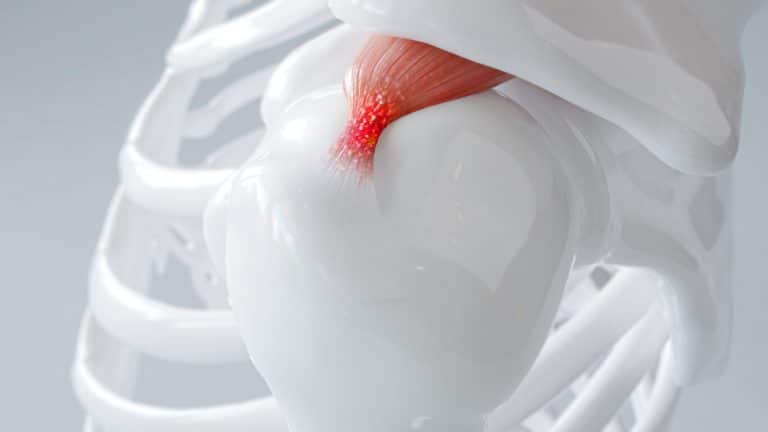
Rotator cuff surgery is an orthopedic procedure designed to reattach torn tendons to the bone. According to the Mayo Clinic, the primary goal is to reduce pain and restore function. When recovering from rotator cuff surgery, patients must understand that the surgical repair is only the first step in a multi-month healing process. The newly anchored tendon requires time to establish a strong biological bond before it can withstand the stress of active movement.
An experienced orthopedic doctor for shoulder pain will emphasize that rushing this process can compromise the surgical repair. Rehabilitation must be carefully calibrated to stimulate tissue healing without causing excessive strain.
What Is the Difference Between Passive and Active Movement?
To navigate your rehabilitation successfully, you must understand how physical therapists categorize joint mobilization.
Defining Passive Range of Motion
During the initial stages of recovery, protecting the surgical site is the primary clinical objective. Passive exercises allow the shoulder joint to move without any activation of the repaired muscles.
- External arm assistance: A therapist or device moves the joint without muscle contraction.
- Complete muscle relaxation: The patient does not engage the shoulder muscles during these exercises.
- Protected tissue healing: This careful approach minimizes tension on the newly repaired tendon.
Defining Active Range of Motion
Once the tendon has achieved initial biological healing, active movement can be safely introduced. This phase transitions the patient from relying on external assistance to using their own muscular strength.
- Independent muscle contraction: The patient uses their own shoulder muscles to move the arm.
- Progressive resistance loading: This stage slowly introduces light weights to rebuild strength.
- Functional movement restoration: Active exercises prepare the shoulder for complex daily tasks.
How Do Early Movement Protocols Affect Healing?
The timing of shoulder movement after surgery is an important clinical consideration.
Tendon healing is a biological process involving cellular proliferation, collagen deposition, and tissue remodeling. Controlled mechanical stress is necessary to guide the alignment of new collagen fibers.
- Cellular repair stimulation: Gentle motion increases blood flow and delivers nutrients.
- Adhesion prevention techniques: Early movement prevents scar tissue from binding the joint.
- Stiffness reduction strategies: Controlled exercises help patients avoid frozen shoulder complications.
What Is the Step-By-Step Progression of Rehabilitation?
Rehabilitation after shoulder surgery is a gradual, step-by-step process that unfolds over several months.
Phase One of Recovery
The first phase of recovery focuses on joint protection and gentle passive mobilization.
- Initial joint protection: The surgical arm remains supported in a sling.
- Passive exercise initiation: Pendulum swings and therapist-assisted movements keep the joint mobile.
- Essential patient education: Individuals learn safe techniques for daily activities without using the shoulder.
Phase Two of Recovery
As the tendon continues to heal, your physical therapist will introduce active-assisted movements.
- Active-assisted movement introduction: Patients use pulleys or their healthy arm to guide the limb.
- Tendon integrity monitoring: Therapists evaluate healing before allowing unassisted movements.
- Orthopedic doctor evaluation: Regular consultations ensure the joint is healing correctly.
What Are the Risks of Rushing Recovery from Rotator Cuff Surgery?
Patience is a fundamental requirement when recovering from rotator cuff surgery.
Dangers of Premature Active Movement
Engaging the shoulder muscles before the tendon has anchored to the bone can disrupt delicate surgical sutures.
- Tendon re-tear risk: Activating muscles too early can pull the tendon from the bone.
- Severe localized inflammation: Overworking the healing joint causes painful swelling.
- Extended recovery timelines: Complications from rushing physical therapy result in longer healing.
Challenges of Excessive Immobility
While protecting the repair is critical, complete immobilization also carries significant risks.
- Joint capsule contractures: Keeping the arm completely still for too long leads to tightening.
- Rapid muscular atrophy: The shoulder muscles weaken quickly when not used.
- Chronic shoulder stiffness: Overcoming prolonged immobility requires intensive therapy.
What Should You Expect During Post-Operative Aftercare?
Successful recovery extends beyond the physical therapy clinic into your daily routine.
Managing Pain and Swelling
Post-operative discomfort must be managed effectively to facilitate rehabilitation.
- Prescribed medication management: Patients use medications directed by their surgical team.
- Targeted cryotherapy applications: Applying ice packs regularly minimizes swelling.
- Strategic pillow positioning: Supporting the elbow with pillows reduces joint strain.
Working With Your Care Team
Recovering from rotator cuff surgery is a collaborative effort requiring open communication with your healthcare team.
- Consistent therapy attendance: Regular sessions ensure exercises are performed safely.
- Surgical milestone tracking: Your orthopedic specialist monitors your progress.
- Open communication channels: Patients must report sudden pain immediately.
When to Seek Medical Attention
While recovering from rotator cuff surgery, monitor your healing closely for signs of complications.
- Signs of infection: Contact your surgical team if you develop fever or increased redness.
- Blood clot symptoms: Seek emergency care if you experience sudden shortness of breath or chest pain.
- Unmanageable pain levels: Reach out to your doctor if pain worsens suddenly.
- Nerve function issues: Alert your care team if you experience persistent numbness or tingling.
Recovering From Rotator Cuff Surgery in Maryland
If you are recovering from rotator cuff surgery, our dedicated team of orthopedic specialists and physical therapists at Greater Chesapeake Hand to Shoulder is here to guide you. We provide personalized care designed to restore your shoulder mobility, build strength, and help you return to your favorite activities.
Do not let post-operative anxiety delay your progress. Contact our clinic today at (410) 296-6232 or use our online appointment request form to schedule an evaluation with an experienced orthopedic doctor for shoulder pain and take the first step toward a complete recovery.