

In short, rotator cuff tear treatments range from conservative management like physical therapy to surgical intervention, depending on the severity of the injury. Conservative care first. Non-surgical methods successfully resolve pain for approximately 80 percent of patients. Surgical intervention options. An operation for a rotator cuff tear is typically reserved for acute injuries or when
Read More
When Is Surgery Recommended for Hand Arthritis?
Surgery is recommended for hand arthritis when conservative treatments fail to provide relief and daily tasks become impossible to complete. In short, Provides severe pain relief. Surgery offers significant pain reduction for patients suffering from advanced stages of arthritis. Restores lost hand mobility. Surgical procedures successfully improve functional movement and restore range of motion in
Read More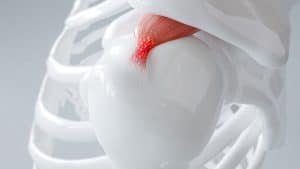
Passive vs. Active Movement After Rotator Cuff Repair: Why Patience Is Essential
If you are recovering from rotator cuff surgery, understanding the delicate balance of your rehabilitation program is essential. In short, Passive movement protects repairs: Moving the arm without using shoulder muscles prevents early strain on healing tissue. Active movement builds strength: Controlled muscle engagement safely restores function after the initial healing phase. Patience prevents complications:
Read More
Identifying Scapular Pain: Is It a Muscle Knot, Nerve Impingement, or Joint Dysfunction?
Identifying the exact source of your pain requires a careful evaluation of your symptoms, as the issue could easily stem from a tight muscle, a pinched nerve, or a dysfunctional joint. In short, Muscle knots cause stiffness. Tight muscle bands create localized tenderness and severely restrict your physical movement. Nerve impingement radiates pain. Compressed spinal
Read More